



Flint Pistol
The flint pistol (Flintlock Pistol) is a front-loaded firearm widely used in Europe and the world from the 16th to the 19th century. With "flint ignition" as the core principle, it is one of the key weapons in the transition from cold weapons to hot weapons. It is not only an important equipment in military history, but also a microcosm of mechanical technology and technology before the industrial revolution. It is still regarded as "the representative of classical firearms".
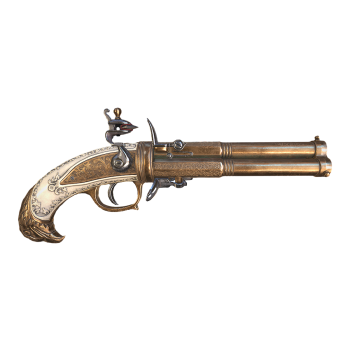
Golden Eagle three barreled flintlock gun
The flint gun was invented by Mahan, a Frenchman who was born in 1547 (the middle of the 16th century) in the family of a gunsmith, locksmith and watchmaker. It was improved on the basis of the revolver gun. The spring steel wheel was removed, a piece of flint was clamped on the jaw of the hammer, and a striking anvil was set beside the fire hole. When shooting, the trigger was pulled. Under the effect of the spring, the flint was heavily hit on the side of the fire door, and sparks came out to ignite the gunpowder. Greatly simplifies the shooting process, improves firing rate and shooting accuracy, is easy to use and cost-effective, and facilitates mass production. European armies were generally equipped with flintlock guns, which lasted for over 200 years until 1848.

Popular Models
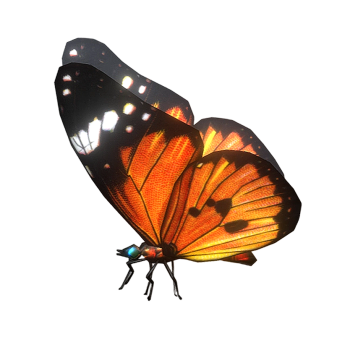

Honey Badger (3D animated model)
196 View
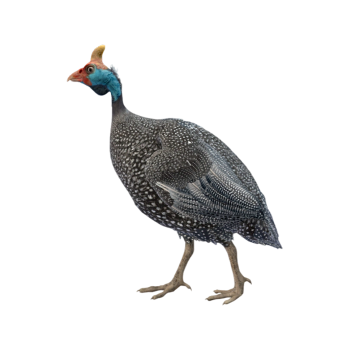
Guinea fowl (3D animated model)
165 View
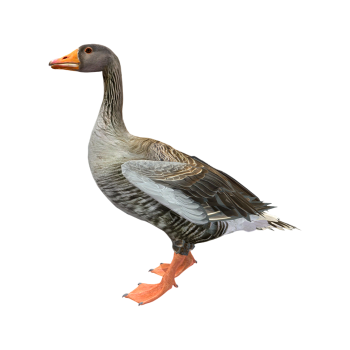
Wild Goose (3D animated model)
187 View

Red Fox (3D animated model)
155 View
Random Model
Peruvian Lambayeque style ceramic bottle
1511 View



Taole Catfish Specimen
498 View

Besikti ankylosaurus skeleton
1005 View

Tripod work light
862 View

Armed basket crab male
736 View
Vertical hydraulic jack kit
1315 View